ISO 14001, Clause 4.1 – Understanding the Organisation and its Context

Before setting out to establish an Environmental Management System (EMS), a strategic understanding of the important factors that will affect the design and focus areas is needed. Each business is unique and needs to identify what it plans to address and achieve so that the EMS brings value to the business.
Context is a thorough determination and understanding of the internal and external issues that can impact an organisation and its objectives. It can be completed for all organisations irrespective of size, industry or location.
Simply put, the expected outcome of ISO 14001 is improvement in environmental performance. There are things that will help achieve this, and other things that will get in the way. When defining the context of the organisation, it is about simply working out and understanding what these are.
The EMS can then be focused on maximising the positives and mitigating the effects of the negative.
Internal and external issues important to the Environmental Management System
When looking at the organisational context, it is similar to an honest and objective analysis of the organisation’s environmental practices. It looks both internally and externally at factors that concern the business’ environmental responsibilities and can affect its success. By identifying both the internal and external issues, known as risks and opportunities, they can be used to steer the strategic direction and purpose of the business.
While the standard does not prescribe how the context of the organisation is determined, there are some logical steps that can be followed.

Identifying internal and external issues
The first step in understanding the organisation’s context is identifying issues that can affect the achievement of its EMS intended outcomes. While these issues will vary from one business to the next, internal issues that could be considered are:
- How does the business activities, products or services affect the local or regional environment?
- Has there been an incident previously which caused pollution?
- What is the current compliance status, and does it need improving?
- Relationships with staff, stakeholders and suppliers
- What is the business strategy, and how will this affect achieving the EMS intended outcomes?
- Are there sufficient resources and capabilities for the EMS?
- Are employees engaged in achieving the EMS intended outcomes?
It is important to also understand your external context, and consider issues that arise from your social, environmental, ethical, technological, political and legal environment.
External issues that could be considered are:
- Are supply chain practices performed in an environmentally responsible manner?
- Are customers imposing environmental requirements?
- Are there new or changing regulations that will need to be addressed?
- Are there changes in technology that can be utilised to improve environmental performance?
- Are competitors’ products more environmentally friendly, or are their operations performed with less adverse environmental impacts?
- Will availability of natural resources impact the business?
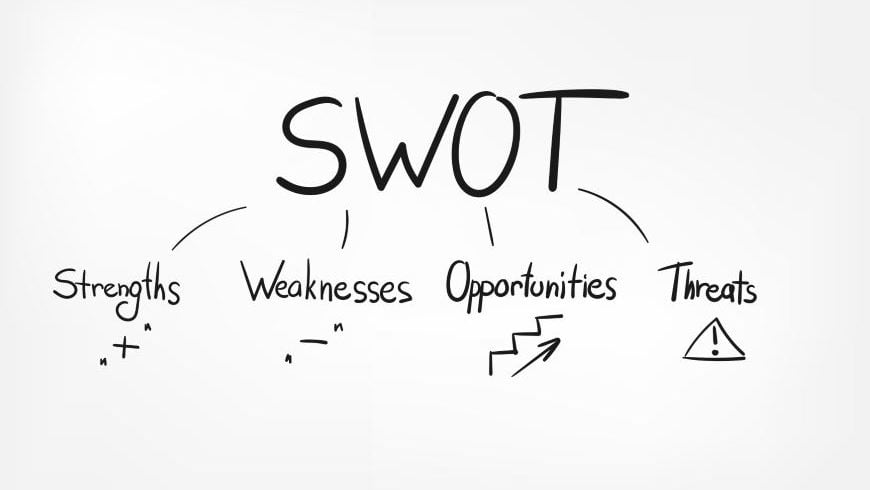
Answers to these questions provide information that can help the organisation successfully manage its environmental responsibilities. The internal considerations can provide insight on strengths and weaknesses – what the business does well and where it can improve. The external considerations may bring light to a potential opportunity with beneficial effects if pursued, or a threat with detrimental effects if not addressed.
When determining the context of the organisation, I often develop a SWOT analysis together with top management – “Strengths, Weaknesses, Opportunities and Threats” which helps the business focus at a strategic level, and provides a practical manner that adds value and delivers a general, conceptual understanding of the most important issues.
Where to next?
The results of the analysis can then be used to assist in:
- Setting the scope of the EMS
- Determining the risks and opportunities
- Developing or enhancing the environmental policy
- Establishing environmental objectives
- Determining the effectiveness of its approach to fulfil compliance obligations
This clause has ensured that the EMS is not dictated by the standard or auditors, but it is rather an EMS that the business has authority and flexibility over that brings real value and ensures that it meets the expected outcome – to improve the environmental performance of the business.
Contact Us
Phone Number
0208 720 6851Email Address
meggan@isoLogic.co.ukReady to strengthen your health and safety compliance?
It can feel overwhelming at first, but you don’t have to go through it alone. We’ll take the stress out of the process, guide you every step of the way, and make sure your business is fully ready for certification – and beyond.