ISO 14001:2026 Has Been Published – But What Does It Actually Mean?
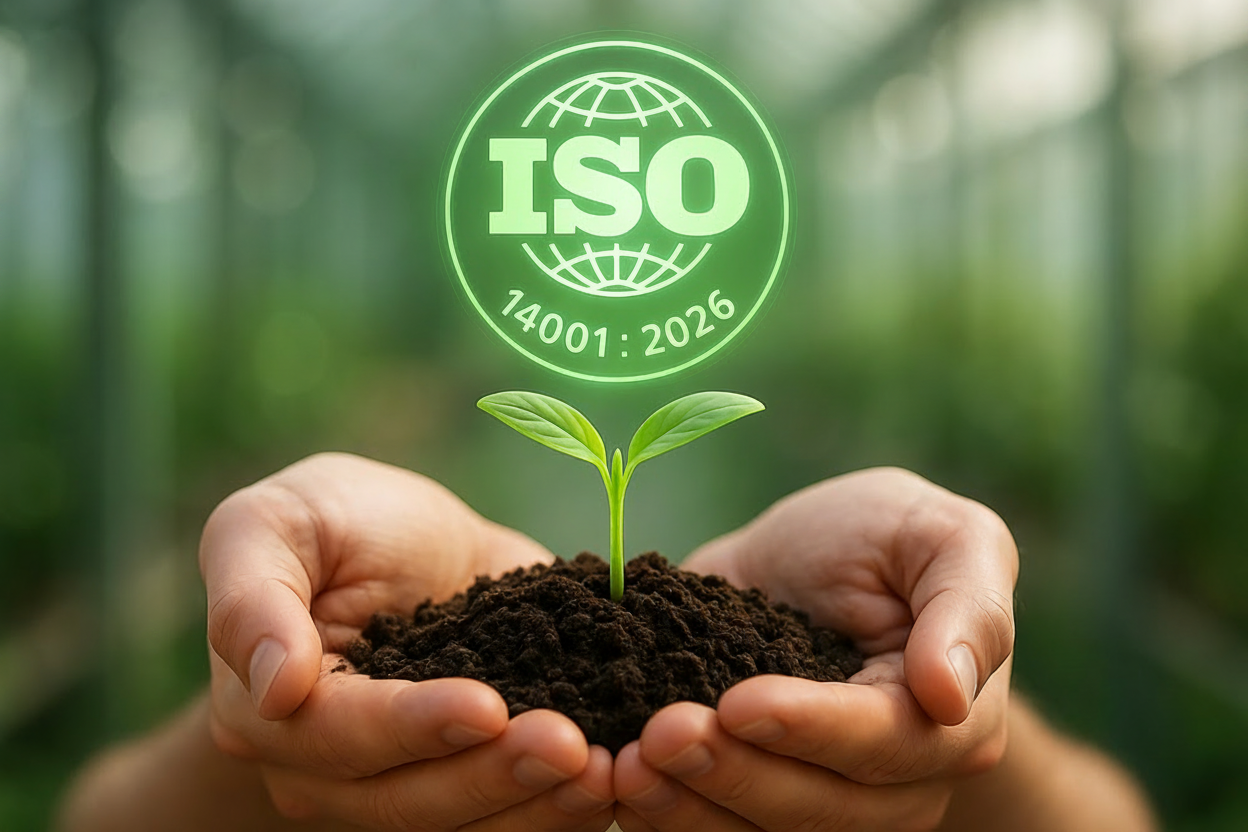
There’s been a lot of discussion around the recent publication of ISO 14001:2026, and understandably many businesses are immediately asking: “What’s changed?”
In my opinion, ISO 14001:2026 feels far more like an evolution of the standard rather than a complete overhaul. Organisations with a well-embedded Environmental Management System that genuinely works within the business are likely already in a strong position heading into the transition.
One of the key messages is that the revision is designed to modernise and clarify the standard, rather than completely reinvent it.
So, What’s Changing?
The updates within ISO 14001:2026 build on the existing framework rather than completely reinventing it, with a number of refinements and areas of increased emphasis that businesses will need to consider as part of the transition.
Some of the biggest themes include:
- Greater clarity and stronger alignment with today’s environmental sustainability priorities
- Stronger focus on leadership and organisational culture with top management playing a visible role in environmental management
- Clear expectations about change management requirements
- Expanded focus on external providers, including supply chains and outsourced processes
- Stronger alignment with environmental priorities such as climate change, biodiversity, resource efficiency and pollution prevention
In reality, many organisations already certified to ISO 14001 may find they are covering much of this already.
.jpg)
Climate Change is No Longer a Side Conversation
One of the strongest themes is the growing emphasis on climate-related issues and wider environmental context.
Not simply: “Do you recycle paper?”
But
- How could climate-related risks affect your organisation?
- What pressures are coming from customers, regulators, investors, or supply chains?
- Are environmental considerations influencing business decisions?
- Are leadership teams actively engaged in these discussions?
For many businesses, this moves ISO14001 far closer to strategic business planning, rather than environmental compliance sitting in isolation.
And in reality, that reflects what’s happening commercially anyway.
Clients, procurement teams, insurers, investors, and stakeholders are asking many more questions around sustainability, resilience, environmental impact, and transparency than they were even five years ago.
Leadership Involvement Will Matter More
Another key point is leadership accountability.
A well-written EMS has never been enough on its own. The revised standard places even greater importance on leadership engagement and integration into the organisation itself.
In practical terms, that probably means auditors looking more closely at questions such as:
- Is environmental management embedded into decision-making?
- Do leaders understand environmental risks and opportunities?
- Is the EMS influencing operational direction?
- Are objectives meaningful and monitored?
- Is this genuinely part of the business culture?
And honestly, I don’t think that’s a bad thing.
The businesses that gain the most value from ISO 14001 are almost always the ones where leadership is genuinely engaged,not just signing the policy once a year before the audit.
The Good News – There’s a Transition Period
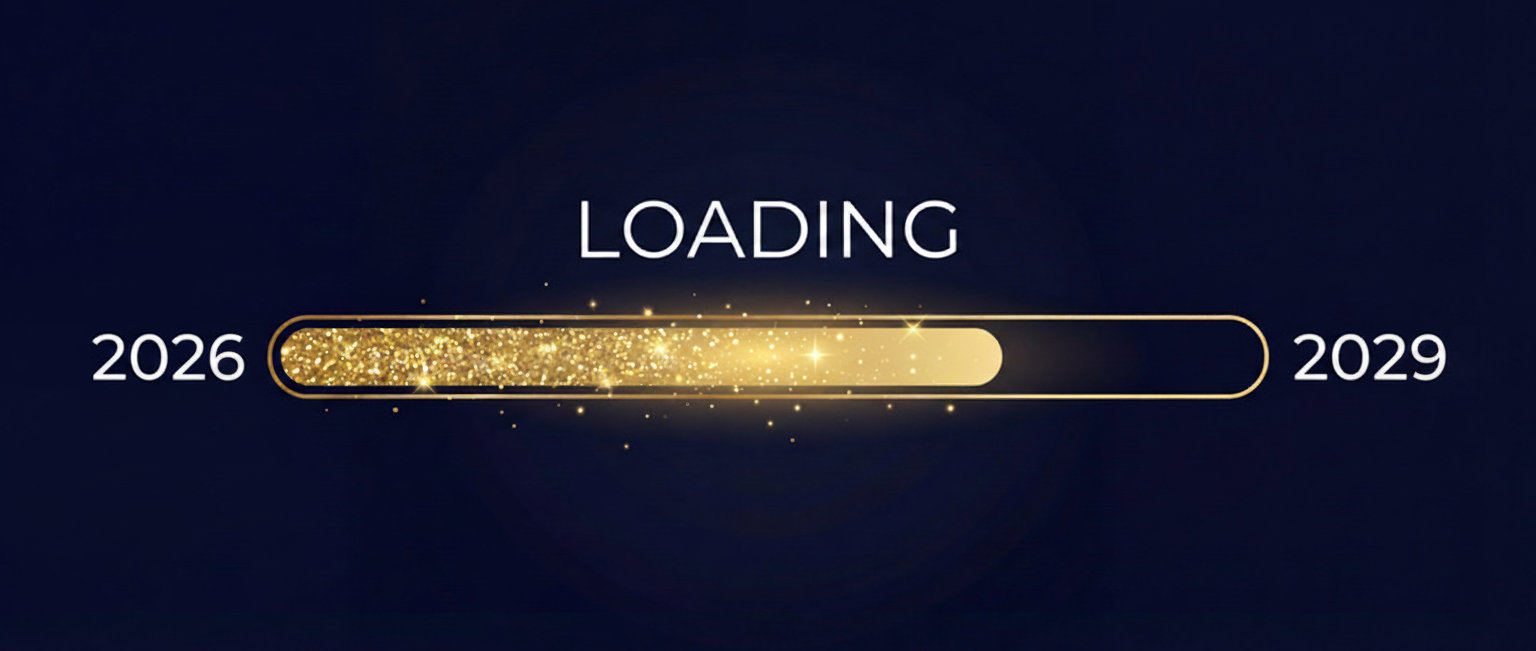
One of the most important points is that businesses are not expected to transition overnight.
There is a three-year transition period from publication, which means businesses certified to ISO 14001:2015 will have time to review the changes properly, understand any gaps, and transition in asensible and planned way.
That’s exactly how it should be approached too.
Good management systems are not built by rushing through document updates because a new version of a standard has landed. They should evolve in a practical way that works for the business.
One Thing That Hasn’t Changed
Something I always say to clients is: “A management system should work for your business first, and the audit second.”
That still applies here.
The revised standard may bring updated wording, additional clarity, and evolving expectations, but the fundamentals remain the same:
- Understanding your impacts
- Managing risks and opportunities
- Improving performance
- Meeting obligations
- Embedding continual improvement
And honestly, the organisations that treat ISO 14001 as a genuine business tool, rather than just a certificate on the wall, are usually the ones that adapt best whenever revisions happen.
I suspect we’ll all be talking about ISO 14001:2026 a lot over the coming months, but for now, the key takeaway is this: the sky is not falling, there’s time to prepare, and practical,well-embedded systems will still win every time.
If your business is starting to think about transitioning to ISO 14001:2026, or you’re considering implementing ISO14001 for the first time, feel free to get in touch.
Whether it’s understanding the changes, reviewing your current system, or building a practical EMS that genuinely works for your business, we’re always happy to have an informal conversation.
Contact Us
Phone Number
0208 720 6851Email Address
meggan@isoLogic.co.ukLet’s Work Together!
From implementing and maintaining management systems to supporting your business with health, safety and wellbeing, isoLogic is here to support you. Contact us today to learn more.